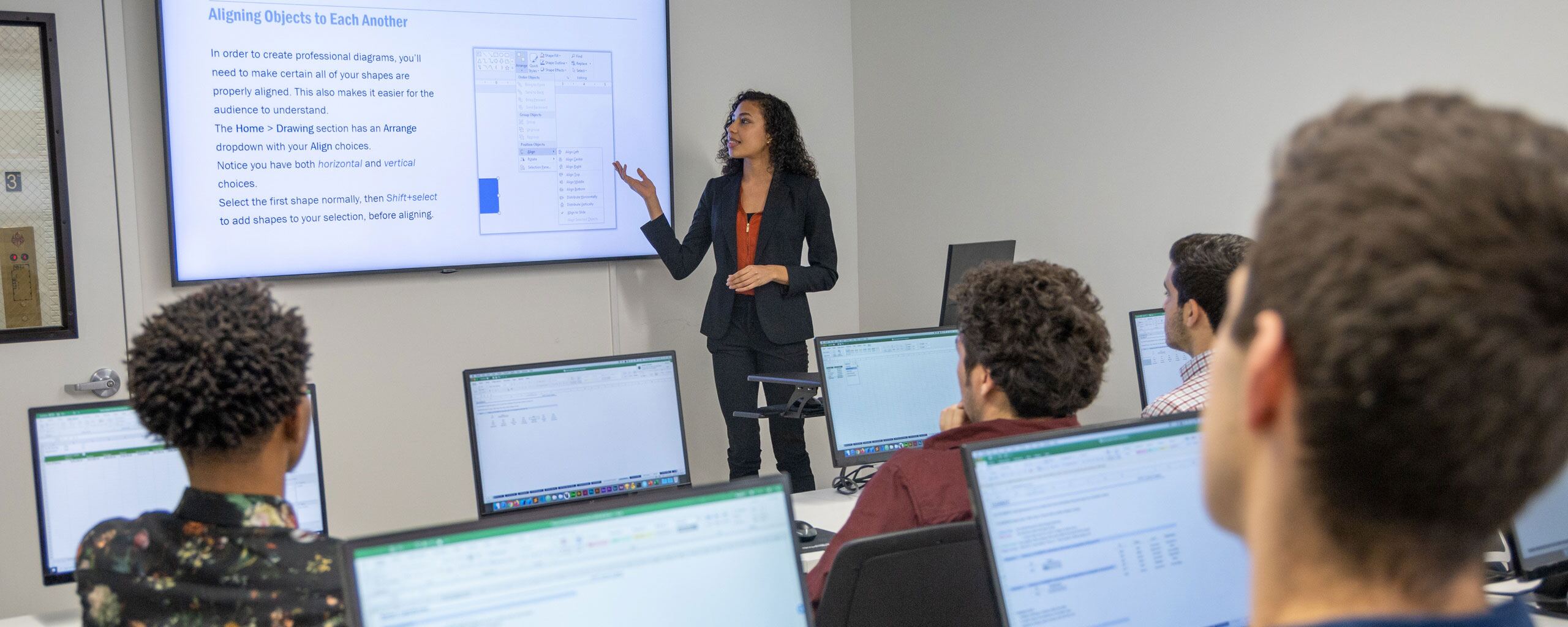
Learn More About Graphic Design Classes in Miami
Graphic design, the art and practice of visual communication, uses a combination of text, images, colors, and other elements to convey messages and ideas effectively. Graphic Designers work in various media, including print, digital publications, advertising, packaging, and branding, focusing on solving visual problems to ensure information is clear, accessible, and aesthetically pleasing to the intended audience. The field’s roots stretch back to ancient civilizations, where early forms of visual communication, such as hieroglyphics and cave paintings, laid the foundation for visual storytelling. The 15th-century invention of the printing press marked a pivotal point in this field, allowing mass production of printed materials. Throughout the 20th century, technological advances like photography, film, and digital software transformed the graphic design landscape. Today, it remains a dynamic discipline, constantly evolving with new trends and technologies while upholding its core purpose of effective visual communication.
What Can You Do with Graphic Design Training?
Graphic design is a multifaceted skill that spans various applications centered around visually communicating messages in a variety of contexts. In professional settings, graphic design allows you to create eye-catching marketing materials like brochures, flyers, and advertisements that effectively convey key information. Graphic design is key to establishing brand identities, designing logos, and creating style guides that ensure businesses have a distinct and consistent visual image. In the digital world, graphic design is essential for designing website layouts, user interfaces, and social media content that engage users and enhance their online experience.
Outside the workplace, graphic design finds applications in everyday life. You can design personalized invitations for weddings or birthday parties, create custom T-shirts for a local charity event, or make striking posters for community gatherings. Graphic design is also useful for personal projects, like creating photo albums or unique gifts for loved ones. With the right skills and tools, the endless possibilities allow you to turn creative ideas into tangible, visually appealing outcomes. Graphic design offers a vibrant avenue for communication and creativity, whether for professional purposes or personal expression.
What Will I Learn in a Graphic Design Class?
A graphic design class opens the door to becoming skilled in visual communication. Students will embark on a journey that blends creativity with technology, learning to turn ideas into compelling visuals. You’ll dive into industry-standard software like Adobe Creative Cloud applications, gaining hands-on experience crafting everything from logos and branding to digital content and print materials. Beyond the technical skills, a class will also foster crucial soft skills like communication, collaboration, and problem-solving, equipping you with the tools to thrive in the dynamic field of graphic design. Whether you’re aiming for a career in design or simply want to enhance your creative skill set, a graphic design class provides a comprehensive foundation to transform your imagination into reality.
Adobe Programs
Adobe programs are integral to the graphic design industry, offering a comprehensive suite of tools tailored for professionals in the field. Adobe’s Creative Cloud encompasses a range of applications like Photoshop, Illustrator, and InDesign, each serving a specific purpose within the design workflow. Photoshop is famous for its photo editing and manipulation features, Illustrator is best for creating vector graphics, and InDesign specializes in page layout and publication design. Learning to use Adobe programs is essential because they set the industry standard for graphic design, ensuring your work is compatible with professional workflows and production processes. By mastering these tools, you’ll have the flexibility to create everything from intricate illustrations to polished marketing materials, positioning you to meet the demands of clients and employers in a rapidly evolving design landscape.
Typography
Typography is the craft and method of structuring text, a critical element in graphic design that involves much more than just selecting a font. It involves selecting the right typefaces, adjusting spacing and alignment, and ensuring readability, all while conveying the desired aesthetic and mood. Typography is crucial in graphic design because it helps create a visual hierarchy, guides the reader’s eye through a design, and can evoke emotions or set the tone for the message. Learning typography is essential for Graphic Designers, as it empowers them to transform plain text into a compelling visual element that complements and enhances the overall design. A solid grasp of typography enables designers to produce visually appealing work communicating information efficiently, ensuring the message connects with the intended audience.
Color Theory
Color theory is the study of how colors interact, blend, and contrast, forming the foundation for creating visually engaging designs. In graphic design, understanding color theory is critical because colors evoke emotions, create visual harmony, and guide the viewer’s perception. By learning the principles of color theory, such as complementary and analogous color schemes, designers can craft palettes that resonate with the intended message and audience. It also helps them achieve balance, contrast, and visual interest within a design, ensuring the elements work together cohesively. Color theory is crucial for Graphic Designers because it impacts all work areas, including branding, marketing materials, digital interfaces, and print design. Mastering color theory allows designers to make informed choices that enhance the effectiveness and appeal of their creations, leading to more impactful and successful designs.
Image Editing
Image editing is the process of manipulating and enhancing photographs or digital images, a crucial skill in the realm of graphic design. It encompasses a range of techniques, from basic cropping and resizing to advanced retouching, color correction, and compositing. In graphic design, image editing is fundamental because it allows designers to create polished, cohesive visuals tailored to the project’s needs. Whether you are fine-tuning a product photo for an advertisement, removing blemishes from a portrait, or blending multiple images to create a unique composition, image editing gives you the control and creativity to shape the final result. Mastering image editing is crucial for Graphic Designers because it allows them to realize their creative visions accurately and skillfully, ensuring that their work adheres to the highest quality and professional standards. It’s a skill that enhances the aesthetic appeal of designs and contributes to effective visual storytelling and communication.
Time Management
Time management is vital for Graphic Designers, determining their capacity to meet deadlines, manage multiple projects, and maintain a steady workflow. In the fast-paced world of graphic design, where timelines are often tight and projects vary in complexity, managing your time ensures that you can deliver high-quality work without burning out. Good time management involves prioritizing tasks, setting achievable goals, and breaking projects into manageable steps. This skill is essential in graphic design because it allows designers to stay organized, reduce stress, and avoid last-minute rushes that could compromise the quality of their work. Graphic Designers can meet client expectations and create a balanced workflow that promotes creativity and efficiency by mastering time management. This leads to greater job satisfaction and a more sustainable career in a field where deadlines and client demands are a constant reality.
How Hard Is It to Learn Graphic Design?
Learning graphic design can range from relatively straightforward to quite challenging, depending on the depth of expertise you aim to achieve. Becoming familiar with basic design concepts and tools like Adobe Creative Cloud can be manageable, especially with online tutorials and resources available. You can quickly learn fundamental skills like creating simple graphics, adjusting images, and understanding basic typography and color theory. However, becoming an expert in graphic design is a different story. It demands technical expertise, a thorough grasp of design principles, creativity, and the skill to solve intricate visual challenges. Professionals in this domain typically have extensive experience, advanced training, and exceptional attention to detail. They can create sophisticated designs that communicate effectively and resonate with audiences. Although one can grasp the fundamentals swiftly, attaining advanced expertise requires steadfast dedication, consistent practice, and an ongoing willingness to learn and adjust to evolving trends and technologies.
What Are the Most Challenging Parts of Learning Graphic Design?
Learning graphic design involves navigating a variety of challenges, both technical and creative. One of the most demanding aspects is mastering the software tools required to create professional-quality work. Programs like Adobe Photoshop, Illustrator, and InDesign are powerful but complex, requiring a steep learning curve and ongoing practice to harness their full potential. Apart from technical skills, a major challenge lies in cultivating a keen design sense, which involves grasping composition, typography, and color theory to produce visually engaging and effective designs. This often requires an intuitive understanding of aesthetics, which can take time to cultivate. Another significant challenge is balancing creativity with practical constraints such as client requirements, deadlines, and project budgets. Graphic Designers must also be open to feedback and revisions, which can be tough when you’ve poured your heart into a design. Finally, keeping up with industry trends and adapting to new technologies demands a commitment to lifelong learning. These factors combine to make graphic design a rewarding but challenging field where the path to mastery is varied and dynamic.
How Long Does It Take to Learn Graphic Design?
The duration to learn graphic design varies based on your objectives and commitment. It might take beginners weeks or months of consistent practice and focused learning to get comfortable with basic concepts. This period involves familiarizing yourself with key software like Adobe Photoshop and Illustrator, grasping fundamental design principles, and creating simple projects such as posters or social media graphics.
However, achieving professional-level proficiency requires significantly more time and effort. This stage involves a deeper dive into design concepts, hands-on experience with various design projects, and continuous skill refinement through practice and feedback. Typically, reaching this level can take one to two years, depending on your learning intensity and opportunities for real-world application. This timeline can vary based on prior experience, formal education, and project complexity. Mastering graphic design is ongoing, necessitating continual learning and adaptation as the industry evolves and new technologies surface.
Should I Learn Graphic Design In Person or Online?
In-person learning occurs in a classroom or workshop setting, where students and instructors interact face-to-face. This traditional format encourages active participation, enabling students to ask questions on the spot, engage in hands-on exercises, and form connections with peers and instructors. The immediacy of in-person interaction often fosters a vibrant learning community and can be more motivating due to its social nature. However, in-person learning can be less flexible, requiring commuting, fixed schedules, and proximity to the learning center, which may not be convenient for those with busy lives or who live far from the class location.
In contrast, live online learning allows students to attend virtual classes at scheduled times via video conferencing, offering the benefits of in-person engagement with the convenience of remote access. Students can participate in real-time discussions, ask questions, and join group activities from their homes. This format is ideal for those seeking a structured learning experience without traveling. Nonetheless, live online learning relies on a stable internet connection and a quiet space, and the virtual setting can limit the development of social connections. Asynchronous learning offers the greatest flexibility, allowing students to conveniently access course materials and work on assignments. This method is perfect for individuals with tight schedules or those who enjoy learning at their own pace. It typically involves pre-recorded lectures, readings, and online discussion boards, enabling students to study on their own terms. However, the lack of live interaction can make it harder to stay motivated, and delayed feedback may affect those needing more immediate guidance. Each learning approach has its benefits and drawbacks, with the best choice depending on personal preferences, learning styles, and specific lifestyle needs.
What Should I Learn Alongside Graphic Design?
Graphic design is a specialized field, but designers can enhance their versatility by developing several complementary technical skills. A key area is web design, where learning the basics of HTML, CSS, user experience (UX), and user interface (UI) can broaden a designer’s capabilities. This skill set enables designers to craft attractive websites that operate effectively across different digital platforms, ensuring a smooth transition from print to online formats. Familiarity with web design tools like Adobe Dreamweaver or Sketch is valuable for designers working in digital media or collaborating with Web Developers.
Animation and motion graphics are other skills that can add value to a Graphic Designer’s toolkit. With the growing importance of digital content, creating animated graphics or simple video sequences has become essential. Adobe After Effects and Premiere Pro allow designers to incorporate motion into their projects, resulting in more lively and engaging content, which is particularly valuable for social media, online advertising, and multimedia presentations. Photography and photo editing knowledge can greatly benefit Graphic Designers by allowing them to create and manipulate original imagery. Understanding lighting, composition, and camera settings can elevate a designer’s ability to work with visual content. By acquiring these complementary skills, Graphic Designers can diversify their expertise and stay competitive in a rapidly evolving industry.
Miami Industries That Use Graphic Design
Graphic design professionals can choose from various industries, each presenting distinct opportunities for creativity and career advancement. From advertising and marketing to technology and entertainment, graphic design skills are in high demand. The demand for graphic design professionals keeps rising as companies realize the impact of effective visual communication on engaging and influencing their audiences. This widespread need for skilled designers makes it an attractive career path with ample opportunities for those passionate about creativity and design.
Marketing
Miami’s marketing and advertising industry is a cornerstone of the city’s energetic business scene, driven by its status as a top tourist destination and cultural hotspot. With a strong focus on attracting visitors and promoting local businesses, effective marketing and advertising strategies are essential. Graphic design is at the heart of these efforts, providing the visual elements and compelling messages that captivate audiences and build memorable brands. From vibrant billboards in Miami Beach to sophisticated ads in high-end magazines, graphic design translates concepts into eye-catching visuals that resonate with viewers. It is crucial in creating promotional materials like brochures, flyers, and digital assets for social media, email campaigns, and websites. Graphic design defines branding by creating logos, style guides, and other visual components. In a city renowned for its bold style and lively culture, graphic design ensures marketing and advertising campaigns leave a lasting impact on locals and tourists alike, making Miami a thriving playground for creative designers to shine. Major Miami-based marketing and advertising firms such as Zubi Advertising, The Community, and Lápiz frequently rely on high-quality graphic design to support major national and international brands, making Miami a thriving playground for creative designers to shine.
Tourism
Tourism forms the cornerstone of Miami’s economy, luring millions to its sun-soaked beaches, lively nightlife, and rich cultural scene each year. Central to this bustling industry is graphic design, which plays a pivotal role in crafting captivating visuals that entice tourists and showcase the city’s unique allure. In a fiercely competitive market where travelers have myriad choices, the art of compelling design emerges as a crucial differentiator. Graphic design shapes the vibrant imagery and branding that define Miami’s tourist appeal, from iconic brochures featuring the city skyline to digital ads spotlighting its renowned festivals and events. In tourism, graphic design fulfills various functions, from creating informative marketing materials like travel guides and posters to curating visually engaging online platforms and ensuring consistent branding across hotels, resorts, and entertainment venues. Companies such as Royal Caribbean Cruises, Carnival Corporation, Fontainebleau Miami Beach, and Loews Miami Beach Hotel depend on strong, visually appealing design to attract guests and maintain their global reputations. This collective effort elevates Miami’s status as a premier destination, inviting visitors worldwide to immerse themselves in its vibrant offerings, thus cementing graphic design’s indispensable role in sustaining the city’s tourism industry’s vitality and allure.
Technology
Miami’s technology sector is quickly becoming a powerful player, driving the city’s evolution into a vibrant hub for innovation and entrepreneurship. With a surge in tech startups, venture capital firms, and established tech entities flocking to the city, Miami has cultivated a thriving tech ecosystem. This industry’s heart lies in graphic design, which is indispensable for articulating ideas, defining brand identities, and crafting digital interfaces that resonate with audiences and drive business success. From sleek app designs to dynamic website layouts, graphic design is instrumental in how Miami’s technology companies present themselves to the world and engage with users. Within the tech sector, graphic design serves multiple functions, including creating intuitive user interfaces for mobile apps and software platforms, establishing distinctive brand identities through logos and marketing materials, and crafting visually captivating content for digital marketing campaigns. Leading Miami tech companies like Chewy (Miami office), Kaseya, Ultimate Software, and fast-growing startups at Mana Tech rely heavily on design talent to stay competitive. As Miami’s tech scene continues to expand, the role of graphic design will only grow in significance, shaping how technology companies communicate, market their products, and forge lasting connections with their audience.
Charity
Miami’s charity sector is significant in the city’s vibrant cultural landscape and diverse communities, serving as a hub for local and international philanthropy. Graphic design is essential in this industry, enabling nonprofit organizations to effectively communicate their missions, raise awareness, and mobilize support. Through impactful visuals and strategic branding, graphic design facilitates connections with donors, volunteers, and the wider community, driving the success of fundraising campaigns and advocacy efforts. In the charity sector, Graphic Designers create marketing assets such as brochures, flyers, posters, and digital content for social media and websites. Designers focus on conveying hope and compassion through powerful imagery and storytelling, while branding elements like logos and color schemes build trust and credibility. Prominent Miami-based nonprofits such as United Way Miami, The Miami Foundation, and Miami Rescue Mission rely on strong graphic design to elevate their outreach and inspire community engagement. Graphic design is crucial for crafting compelling fundraising campaigns and awareness initiatives, ensuring charities can effectively communicate their message and inspire meaningful action in Miami’s philanthropic community.
Graphic Design Job Titles and Salaries in Miami
Miami offers a vibrant landscape for careers in graphic design, with opportunities spanning diverse industries like technology, advertising, entertainment, and fashion. As businesses in Miami increasingly recognize the impact of compelling visuals, the demand for skilled graphic design professionals is rising by 3%. Whether you’re interested in creating eye-catching marketing materials, designing sleek websites, or developing unique brand identities, Miami provides a dynamic environment for Graphic Designers to thrive. With its cultural influences and a burgeoning tech scene, the city attracts creative talents eager to make their mark through innovative design.
Graphic Designer
Graphic Designers are creative experts who use visual elements to communicate messages, solve problems, and create attractive designs. They work on various projects, from branding and logos to marketing materials, websites, and digital content. Skilled Graphic Designers can craft compelling visuals that capture audiences’ attention and convey information effectively, allowing them to work across industries like advertising, technology, entertainment, and fashion. In Miami, the salary range for Graphic Designers varies, with positions typically starting at $50,000 to $70,000 annually. With its potential for growth and diverse applications, graphic design is a compelling career choice for those passionate about creativity and visual communication.
Visual Designer
Visual Designers are creative experts who focus on shaping the visual aesthetics of digital and print media, ensuring a consistent and appealing look that aligns with brand identity and user experience principles. They work on projects ranging from website layouts and mobile app interfaces to social media graphics and marketing materials. By mastering graphic design skills, Visual Designers acquire expertise in typography, color theory, and composition, enabling them to create cohesive and engaging visuals that contribute to a brand’s success. In Miami, Visual Designers benefit from a competitive salary range, with positions from $40,000 to $60,000. Given the demand for these skills in Miami’s expanding technology and marketing sectors, visual design offers creative individuals a dynamic and rewarding career path.
Web Designer
Web Designers are experts in crafting and designing websites, emphasizing visual aesthetics and usability to ensure a smooth user experience. Their work involves crafting attractive layouts, implementing easy-to-use navigation, and ensuring responsive design for mobile devices. Web Designers collaborate with developers and other stakeholders to bring websites to life, aligning with brand identity while meeting user needs. Graphic design skills are invaluable to Web Designers, providing expertise in color theory, typography, and composition for cohesive and engaging websites. In Miami, where the tech scene is booming, Web Designers enjoy a competitive salary range, with positions earning between $40,000 and $60,000. The fast-paced tech and business landscape makes web design a rewarding career for those who thrive on creativity and technology.
UX/UI Designer
UX/UI Designers are crucial in creating user-friendly and visually captivating digital experiences for websites, mobile apps, and software platforms. UX Designers focus on the functionality and flow of a product, conducting research and testing to ensure a seamless user journey, while UI Designers emphasize visual elements such as buttons, icons, and typography. Learning graphic design skills enhances the abilities of UX/UI Designers by providing a solid foundation in visual aesthetics and design principles. In Miami’s expanding tech industry, UX/UI Designers typically earn between $60,000 and $90,000 annually. The blend of creativity and problem-solving in UX/UI design makes it an appealing and rewarding career choice in Miami’s dynamic digital landscape.
Graphic Design Classes in Miami
Noble Desktop’s Graphic Design Certificate course is a comprehensive program that prepares students for success in Graphic Design. As a leading technology and design training center, Noble Desktop offers a curriculum blending theoretical concepts with hands-on practice. Students develop proficiency in industry-standard software such as Adobe Photoshop, Illustrator, and InDesign, honing their abilities in image manipulation and creating polished layouts. The course also delves into essential design principles such as typography, color theory, and composition, giving students a robust foundation. Noble Desktop’s focus on real-world projects and portfolio-building provides students with practical experience, while small class sizes ensure personalized guidance from experienced designers. With flexible scheduling and a strong emphasis on career readiness, this course equips students with the technical skills and confidence to thrive in a competitive graphic design industry.
Noble Desktop’s UX/UI Design Certificate program teaches students how graphic design principles apply to user experience and user interface design for both websites and mobile applications. Throughout the course, participants learn essential design concepts such as layout composition, typography, color theory, interactivity, and UI components, as well as best practices for designing and testing digital products. By the end of the program, students graduate with a professional portfolio showcasing multiple polished projects to share with potential employers. The certificate also includes personalized one-on-one mentoring and the option to retake the course for free within one year. This live online program is offered in two formats: a six-week full-time schedule or a 24-week part-time option.
NextGen Bootcamp provides a live online Graphic Design Summer Program designed for high school and middle school students interested in exploring graphic design as a future career path. Participants receive hands-on training in essential design software, including Adobe Illustrator, InDesign, and Photoshop, while completing real-world, project-based assignments. The curriculum helps students build foundational design skills and prepares them for college-level coursework in creative fields. The program is delivered live online and spans a total of 50 instructional hours.
Graphic Design Corporate Training in Miami
Noble Desktop provides all-encompassing corporate training programs designed to address the varied requirements of businesses aiming to boost their teams’ technical skills. Noble provides flexible learning experiences tailored to your company’s requirements, with in-person and online training options. In-person training sessions can be conducted at Noble’s New York City campus or on-site at your office, ensuring a hands-on, interactive environment that fosters teamwork and collaboration. The online training option allows your team to join from anywhere, making it ideal for remote or distributed workforces. Experienced instructors lead these sessions and cover various topics, including graphic design, web development, data analysis, and more.
Noble Desktop offers discounted bulk vouchers for attendance in regular classes, providing a cost-effective way to invest in your team’s development. These vouchers can be used across various courses, allowing employees to choose the training that best suits their needs and career goals. Noble’s corporate training offerings are designed to help your team stay competitive and up-to-date with the latest industry trends and technologies. Ready to boost your team’s skills and productivity? Contact Noble Desktop’s corporate training team to discuss your training needs and explore the best options for your organization.